
2025 · Architecture
Circular Economy renovation of Apartment in Algés, Lisbon
This approximately 66 m² apartment, located in Algés, invites a reflection on sustainability within contemporary urban rehabilitation. In a sector where demolition is often the default, this project embraced the circular economy as both an aesthetic and ethical tool,…
This approximately 66 m² apartment, located in Algés, invites a reflection on sustainability within contemporary urban rehabilitation. In a sector where demolition is often the default, this project embraced the circular economy as both an aesthetic and ethical tool, transforming what would typically be considered demolition waste into design elements with renewed value. The central [ ]
This approximately 66 m² apartment, located in Algés, invites a reflection on sustainability within contemporary urban rehabilitation. In a sector where demolition is often the default, this project embraced the circular economy as both an aesthetic and ethical tool, transforming what would typically be considered demolition waste into design elements with renewed value. The central premise was not replacement, but the metamorphosis of the existing.
Originally from the 1960s, the apartment underwent a deep renovation in the 90s that stripped it of its character, introducing aesthetically heavy materials that were inconsistent with the modern architecture of its era. The challenge was to breathe new life into these uninteresting materials. The project seeks to reverse that visual noise, recovering the dignity of the 1970s through a sensitive, contemporary lens.
The project proposes a reflection on the circular economy, specifically focusing on the kitchen, which was designed using only the materials available on-site. The work began with a surgical deconstruction, where every removed element was evaluated as a potential resource:
Existing cabinet doors were reused, sanded, and treated with oil.
Door handles were repurposed for the cabinetry.
Wooden tables and chairs were transformed into legs for the cabinets.
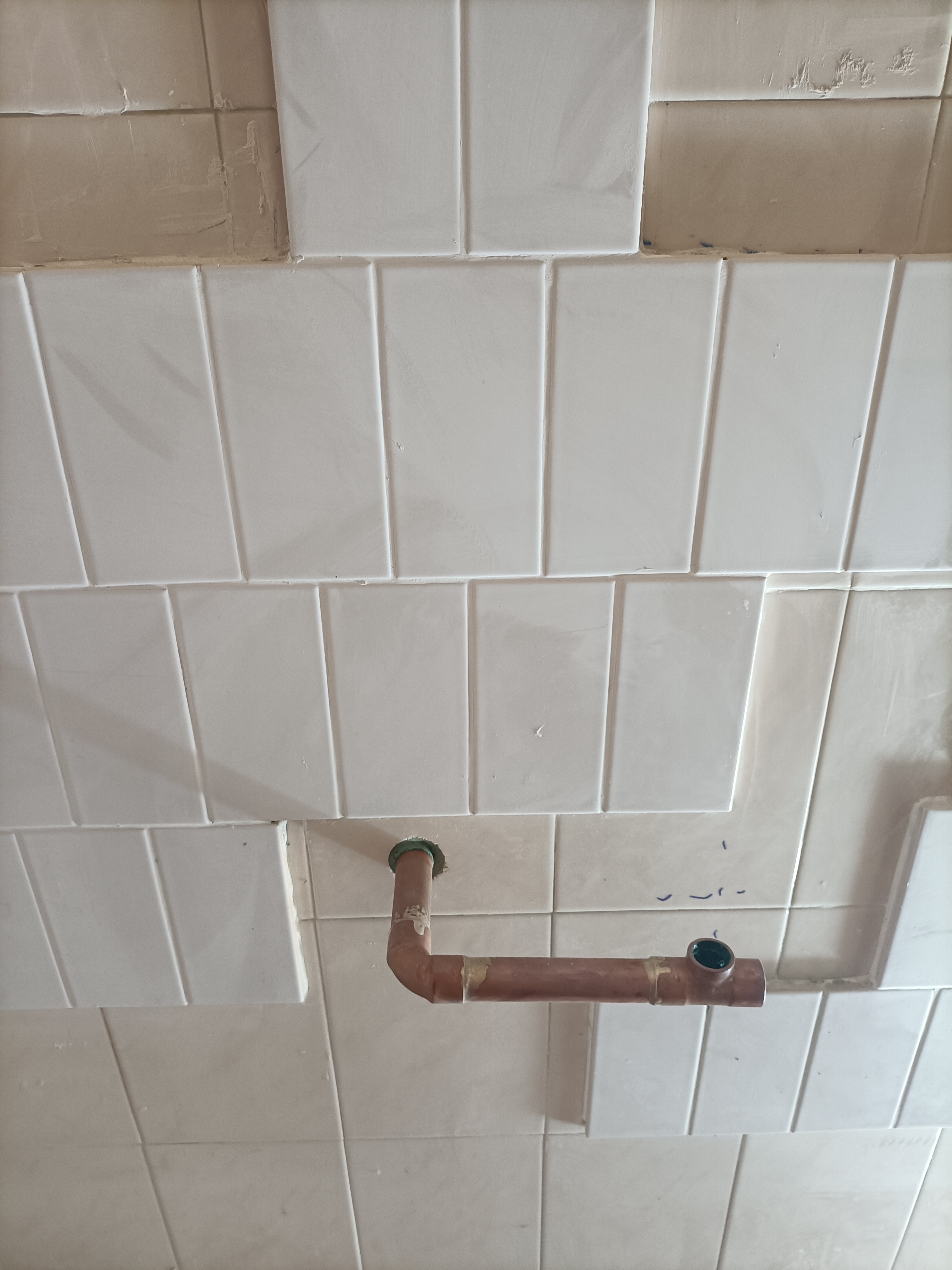
The 1990s tiles were kept but subjected to a manual sanding process that revealed underlying layers, giving the walls a deep, tactile patina.
The countertop was crafted from artisanal terrazzo concrete, with aggregates from the site’s own demolition visible on the surface.
Overall, the layout was maintained but optimized to enhance natural light and cross-ventilation. The project defined functional, practical spaces that possess identity and soul by keeping the existing structure and subjecting it to creative transformation. These were often risky decisions, fueled by the merit and courage of the owners —guided by a creative obsession with repurposing—where the final result couldn’t be fully predicted from the start, but was always steered by a commitment to artistic value.
The end result is not just the product of a plan that dictated intentions and functionality, but of the sensitivity required during the construction itself. Investment was channeled into specialized labor and artisanal craft. Instead of an industrial product catalog, what remains is the detail of the joinery, the texture of recovered matter, and the time dedicated to giving new life to what was already there.
Building site manager: Ricardo Pires